
A lot of people hear “matcha” and immediately think, so it’s just green tea, right? Same plant, same drink, different color, maybe? Not exactly. The matcha vs green tea conversation usually starts with that assumption, then unravels once you see how differently they’re made.
Regular green tea shows up as leaves. You steep them, the water pulls out some compounds, and the leaves get tossed. Matcha works backwards. The leaves are made into stone-ground matcha powder, which is whisked directly into water. Nothing filtered out. You’re drinking the leaf itself.
That one change shifts the whole equation. Flavor is thicker, greener, and more layered. The matcha nutrition facts look stronger, too, simply because everything stays in the cup.
Which is why the matcha vs green tea debate isn’t really about which tea plant wins. It’s about how you want your tea to work for you. Are you looking for something quick, light, simple? Or something with a little more weight behind it?
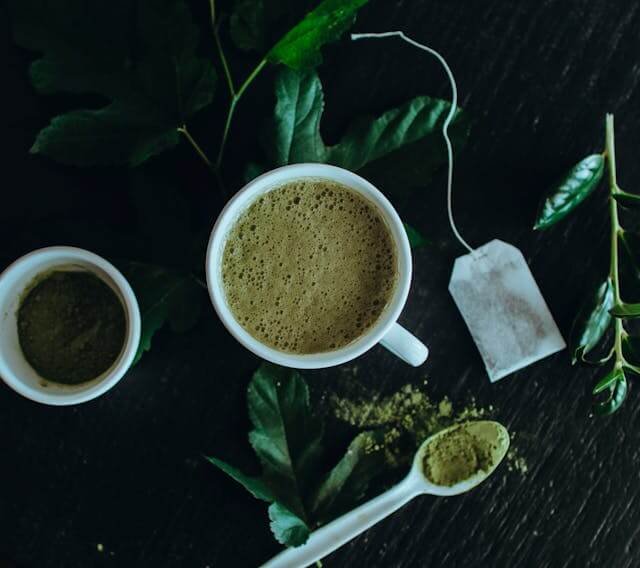
Key Differences: Matcha vs. Green Tea
1. Nutrient Concentration and Consumption
With regular green tea, you steep the leaves and drink what the water extracts. A lot of compounds stay trapped in the leaf that never make it to the cup.
Matcha works differently. The leaves are shade-grown, dried, and milled into whole leaf matcha powder. When you whisk it into water, the entire leaf ends up in the drink. Nothing gets discarded.
That’s why the nutritional value of matcha comes up a lot when people talk about matcha benefits over green tea. Simply because with matcha, you’re consuming more of what the plant contains.
The EGCG content comparison is where it gets interesting.
Matcha often delivers about three times the catechins and up to ten times the antioxidants of standard green tea.
EGCG levels can reach 137× higher per gram than regular green tea.
Another layer of comparison comes from the L-theanine green tea naturally contains. Matcha tends to carry more of it, which helps smooth out the stimulant effect and keeps the energy steady instead of sharp.
2. Caffeine and Energy Effects
Caffeine changes the experience more than people expect. A typical cup of green tea contains around 25–30 mg. Enough to wake you up a little, rarely enough to feel intense.
Matcha plays in a different range. The caffeine matcha green tea comparison usually shows roughly 60–70 mg per serving, depending on how much powder you use. Not coffee-level strong, but noticeably more present.
Here’s where things shift, though. Because matcha contains more L-theanine, the caffeine is released more slowly. Instead of a spike and crash, the energy tends to feel calm and focused.
Quick comparison most people notice:
Matcha often supports sharper concentration and sustained mental energy.
Green tea feels lighter and easier if you want something gentle later in the day.
That difference alone explains why matcha became a popular matcha latte base in cafés. The drink holds its flavor and its energy profile longer than most teas.
3. Preparation Methods
Preparation tells you a lot about the character of each tea.
Green tea follows a familiar rhythm. Add loose leaves to hot water, wait one to three minutes, and strain or remove the infuser. The result is a clear, light brew.
Matcha skips steeping completely. The fine powder is whisked directly into hot water with a bamboo chasen until it turns smooth and lightly frothy.
The cup reflects the method.
Green tea stays transparent and delicate. Matcha comes out thick, vibrant green, with a creamy texture and that slightly savory umami flavor matcha drinkers tend to notice right away.
| Feature | Matcha | Green Tea |
|---|---|---|
| Form | Fine powder made from stone-ground matcha leaves | Whole or broken leaves (often sencha or similar styles) |
| Consumption | You drink the entire leaf mixed into water | Leaves are steeped, then removed |
| Nutrient Density | Higher overall consumption since the full leaf is consumed | Lower concentration because only water-soluble compounds extract |
| Antioxidants | Often ranks higher in most antioxidant tea ranking comparisons | Still rich in antioxidants, but typically lower than matcha |
| Catechins/EGCG | Much higher levels due to full-leaf consumption | Moderate levels depending on tea variety |
| Caffeine | Around 60–70 mg per serving | Around 25–30 mg per cup |
| Energy Profile | Balanced stimulation from caffeine and L-theanine | Lighter, milder lift |
| Flavor | Thick texture with deep vegetal notes and natural sweetness | Clean, lighter taste with grassy or floral tones |
| Preparation | Powder whisked into hot water with a bamboo whisk | Leaves steeped in hot water for 1–3 minutes |
| Everyday Use | Often used for lattes or concentrated tea rituals | Common choice among daily green tea types for casual drinking |

Health Benefits Comparison
When people compare matcha vs green tea, the health angle usually shows up first. Both come from the same plant, both carry powerful antioxidants, and both have long research histories tied to heart health.
Still, matcha tends to edge ahead for one simple reason. You consume the entire leaf.
That means a fuller dose of catechins, especially EGCG. Many discussions about the benefits of matcha vs green tea trace back to that single difference. More leaves in the cup, more compounds delivered to the body.
The result shows up in areas people care about most, like metabolism support and antioxidant intake. Matcha often ranks higher in most tea comparisons because the concentration stays intact instead of being diluted through steeping.
Still, both teas share several health associations:
Antioxidants linked to potential cancer prevention
Support for heart health and healthy cholesterol levels
Natural plant compounds that help reduce oxidative stress
Matcha brings one extra angle, though. Because the powdered leaf contains fiber, it may support gut health in ways brewed tea doesn’t.
Green tea still wins for everyday flexibility. Its lighter taste and familiar varieties, like sencha or gyokuro, make it easier to sip throughout the day without thinking twice.
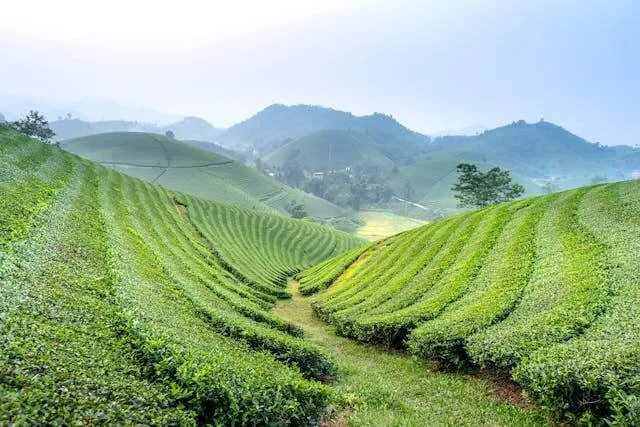
Production Process
What ends up in your cup starts long before the kettle boils. The way matcha and green tea are grown, harvested, and processed is what creates the big differences in flavor, color, and nutrition. Even though they come from the same plant, the journey from leaf to cup looks very different for each one.
Shade-Growing and Grinding
The difference between matcha and regular green tea begins before the leaves are even picked. Growing conditions shape the chemistry of the leaf, and that changes what ends up in your cup.
Matcha follows a much stricter production path.
Tea plants are covered for about 3–4 weeks before harvest. This shade-grown tea method increases chlorophyll and amino acid production.
The darker environment also boosts compounds responsible for matcha’s smooth flavor and deeper green color.
Farmers harvest young leaves carefully, usually selecting only the softest top growth.
Stems and veins are removed, leaving behind flat leaves called tencha.
Those leaves are slowly milled into stone-ground matcha powder.
Green tea production moves faster and stays simpler.
Tea plants grow fully exposed to sunlight.
Harvested leaves are quickly steamed to stop oxidation.
Leaves are rolled and dried, shaping the familiar needles used for brewing.
Both teas come from the same plant. The farming and processing choices, though, send them down completely different paths long before brewing begins.

Taste and Culinary Uses
Flavor is where most people feel the difference immediately. One sip and the matcha vs green tea debate suddenly makes sense.
Matcha comes in bold. Thick texture, deep vegetal notes, and that savory depth people describe as umami flavor matcha. It doesn’t behave like a delicate tea, which is exactly why it works in more than just a teacup.
Common ways people use matcha:
Whisked straight with water for a concentrated drink
Blended into lattes and smoothies
Added to desserts like cakes, cookies, and ice cream
Green tea leans lighter.
Clean, refreshing flavor
Easy to drink hot or iced
Often paired with meals because the taste stays subtle
There’s also a practical angle. Matcha powder, when sealed well, tends to keep its freshness longer than loose tea leaves.
Cost and Accessibility
Price is usually the first reality check in the matcha vs green tea conversation. Matcha tends to sit on the premium shelf. A small 30-gram tin of ceremonial grade can run anywhere from $20 to $50, sometimes more, depending on origin and harvest quality.
Green tea is easier on the wallet and easier to find.
Loose-leaf options cost far less per serving
Widely available in grocery stores and tea shops
Many styles suited for everyday drinking
Matcha quality also varies a lot, so origin matters.
Japanese Uji matcha is often considered a high standard for flavor and color
For daily drinking of green tea, sencha remains one of the most reliable and affordable choices
Both teas can be great. One simply requires a larger upfront investment.
Which to Choose?
The matcha vs green tea decision usually comes down to what you want from the cup.
Matcha makes sense if your focus is nutrition and steady energy. Because the powdered leaf stays in the drink, you get a denser hit of antioxidants and amino acids. It’s also the better pick when you want a stronger focus during work, workouts, or long mornings.
Green tea wins for simplicity.
Quick to brew
Lighter flavor
Many styles to rotate through
It’s easier to drink daily without thinking about preparation.
A simple approach works best anyway. Keep both around. Some people even lean into hybrid habits, switching between matcha in the morning and green tea later, or trying blends that combine the two.
Frequently Asked Questions
Is matcha healthier than regular green tea?
In most matcha vs green tea comparisons, matcha comes out ahead for antioxidants because you drink the entire leaf. Green tea still provides strong health benefits, just in a lighter concentration.
Does matcha have more caffeine than green tea?
Yes. Matcha usually contains around 60–70 mg of caffeine per serving, while most green tea cups fall closer to 25–30 mg.
What’s the difference between matcha and sencha?
In the matcha vs sencha comparison, matcha is powdered tea whisked into water, while sencha is whole leaves steeped and removed before drinking.
Which tastes stronger, matcha or green tea?
Matcha generally has a richer, thicker flavor. When people compare sencha vs matcha taste, sencha feels lighter and more refreshing.
Can you drink matcha every day?
Absolutely, many people use it as a daily dose of steady energy and antioxidants - just make sure you're keeping an eye on your portion sizes though, since it contains a bit more caffeine than the average green tea cup.
Is matcha just powdered green tea?
Well, technically yes, but that's actually a bit of a simplification - true matcha is usually made from carefully grown leaves that get a bit more TLC in the way of special shading, handling and grinding so the powder comes out silky smooth.
Conclusion
After all the back and forth around matcha vs green tea, the difference really comes down to how you want tea to show up in your day. Matcha goes heavier. You drink the whole leaf, which means stronger antioxidants, deeper flavor, and a more noticeable energy lift. Takes a bit more effort to prepare, sure, but the payoff is real if you want something more concentrated.
Green tea moves more easily. Steep the leaves, wait a minute or two, and done. Flavor stays lighter, caffeine gentler, and the variety much bigger. That’s why it slips so easily into daily routines. Most people don’t end up choosing one forever anyway. Matcha when focus matters. Green tea when you just want something simple to sip.
Experience the Best Matcha and Green Tea at Tea Zaanti
Reading about tea is helpful. Tasting it, that’s where things click.
At Tea Zaanti, you’ll find both sides of the matcha vs green tea experience. Smooth whisked matcha, carefully brewed loose-leaf teas, and a space where people actually slow down long enough to enjoy them.
Not sure which tea fits your routine? Our team can walk you through the options without making it complicated.
Curious about something on the menu or looking for recommendations? Better yet, stop by and try them yourself. Visit us at Tea Zaanti and see which cup ends up becoming your new favorite.