
Walk into almost any café right now, and a matcha latte could easily sit at $5, sometimes $7 if the place has good lighting and plants. You order one thinking it’s a treat. Then, another two days later. And suddenly, matcha turns into a weekly expense you never meant to start.
Which is why so many people eventually want to learn how to make a matcha latte at home. Not because it’s trendy. But it starts making financial sense.
The funny part is that once you understand how to make a matcha latte, the drink stops feeling like something that belongs behind a café counter. It’s just tea, milk, and a few tiny tweaks that make the texture work.
And yes, when people ask how to make a matcha latte properly, the real difference usually comes down to three things:
the matcha quality
how you whisk it
how you treat the milk
Get those right, and the result feels suspiciously close to the café version… sometimes better. Let’s start with the small setup that makes the whole drink easy.
Key Steps to Make Matcha Latte
1. Gather Essential Ingredients and Tools
People assume matcha requires a complicated setup. It doesn’t. Most good matcha lattes come down to a small handful of matcha latte ingredients working together properly.
The basics look like this:
1–2 tsp ceremonial grade matcha
2 oz hot water (70–80°C / 160–175°F)
6–8 oz milk (dairy, oat or almond)
Optional sweetener (honey or maple syrup)
That first ingredient matters more than the others. Using ceremonial-grade matcha changes the entire drink. The color becomes brighter, the flavor smoother, and the bitterness almost disappears.
Now the tools. Not mandatory. But they help.
A simple setup usually includes:
Matcha whisk (chasen)
Bamboo scoop (chashaku) or teaspoon
Small bowl (chawan)
Milk frother/ steamer
If you want more options later, this base sets you up for a handful of matcha latte variations. That includes a smooth dairy-free matcha latte and other vegan matcha drinks without rewriting your whole method.
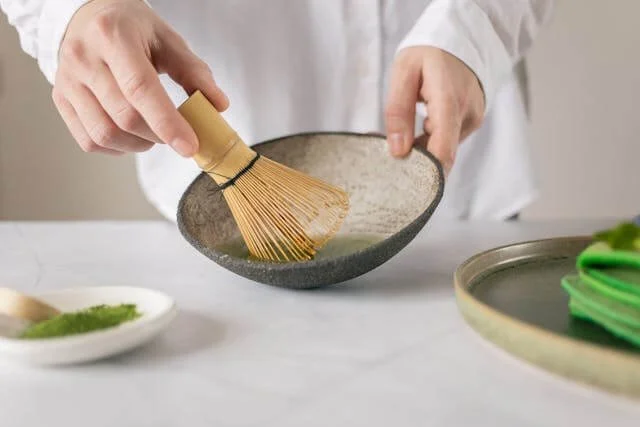
Sift and Whisk Matcha Base
Matcha doesn’t behave like normal tea. With tea leaves, you just need to steep them, which is pretty easy. But powder has a whole different personality. Skip the sift step, and the drink almost always ends up gritty. Tiny annoying clumps hiding everywhere!
Sift the matcha into the bowl. This literally takes just a few seconds and could save your entire drink.
Use hot water, not boiling. Somewhere around 70–80°C works best.
Now whisk. Instead of slow circles. Use a quick W or M motion and move the whisk fast.
This is how you whisk matcha properly, pulling air into the liquid and breaking apart the powder. Usually, 15–30 seconds does the job.
What you’re looking for:
bright green color
light foam across the top
no stubborn powder clumps
If the surface looks creamy and smooth, you’re good. After that, let it sit for a moment. Just a few seconds so that foam settles and flavor evens out.
Heat and Froth Milk
How you handle the milk determines whether the drink feels flat… or café level. Too hot and it tastes dull. Too cold and the latte feels thin. The sweet spot sits around 60–65°C. Warm enough to sip comfortably. Nowhere near boiling.
And now the texture; luckily, it’s pretty easy to froth milk at home. No espresso machine required. A few simple options you can use:
Handheld frother: fastest method
French press: pump the plunger a few times
Jar shake method: shake warm milk, then loosen bubbles
What you want is microfoam. Soft, silky with small bubbles not giant foam clouds.
And when pouring the milk, tilt the cup slightly and go slowly. The swirl that forms is basically the beginning of latte art basics, even if you’re not trying to impress anyone.
Assemble and Serve
Now the drink finally comes together. If you like sweetness, add it to the matcha first.
Sweeteners dissolve more easily in the tea than in milk. Then pour the milk slowly over the matcha base.
The color shift is immediate: deep green → soft jade → creamy latte.
A couple of small finishing touches help:
Dust a little matcha on top
Serve immediately
Use a warm mug if possible
The final drink usually lands around 8–10 ounces.
Once the basic recipe clicks, it becomes easy to experiment with different matcha latte variations.
Matcha Latte Variations
| Variation | Key Swap | Prep Tip |
|---|---|---|
| Iced Matcha Latte | Cold milk + ice cubes | Shake matcha-water first in a jar |
| Vegan Oat Latte | Oat milk | Froth gently to avoid sliminess |
| Keto Version | Coconut milk + stevia | Use high-fat milk for creaminess |
| Pumpkin Spice | Add ½ tsp pumpkin puree + spices | Blend for smooth integration |
Small tweaks like these open the door to lots of vegan matcha drinks depending on the season.
Perfect Creamy Texture
Texture quietly separates great matcha from average matcha. What you want is microfoam. That silky layer where milk and tea feel fully blended. Large bubbles usually mean the milk was overheated or aggressively frothed. Matcha quality plays a role, too.
Finding the best matcha powder for lattes changes everything:
brighter color
smoother body
cleaner finish
Water temperature matters as well. Too hot and the flavor turns sharp, flattening some of the qualities that make matcha such an antioxidant-rich latte.
One more trick if you like a stronger flavor: double the matcha dose. A double-shot base helps the tea hold its own against the milk.
Matcha Grades: Ceremonial vs. Culinary
Matcha might look like one product on the shelf, but not every tin is built for the same job. The grade of matcha you choose affects everything from the taste and color to how well it works in your drink or recipe.
These two grades look similar on the shelf, but they're made for very different purposes.
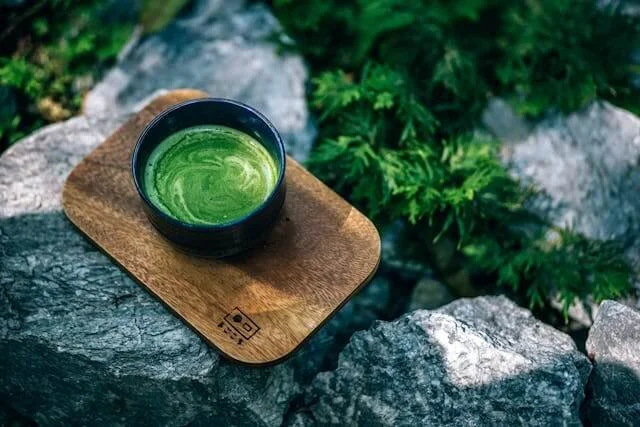
Ceremonial matcha
Ceremonial grade is the top tier. It's made from the youngest, most tender tea leaves harvested during the first spring picking, then carefully stone-ground into an ultra-fine powder. This is the grade designed for drinking straight, the way matcha has been enjoyed in Japanese tea ceremonies for centuries.
Bright, vivid green color that almost glows
Naturally smooth, slightly sweet taste with a rich umami depth
Silky texture that whisks into a creamy froth with ease
Best for drinking straight with water or in a high-quality latte
Culinary matcha
Culinary grade comes from slightly more mature leaves and is processed with versatility in mind rather than delicacy. It's not lower quality in a negative sense; it's just built for a different job where matcha shares the spotlight with other ingredients.
Darker or more yellow-green tone
Stronger, earthier, and sometimes more astringent flavor
Slightly coarser texture that holds up well when mixed into other ingredients
Better suited for baking, smoothies, ice cream, and recipes
For lattes, ceremonial-grade matcha almost always wins. The smoother, naturally sweeter flavor blends beautifully with milk without turning bitter or chalky. Culinary grade can work in a pinch, but the earthier taste sometimes clashes with the creaminess of the milk instead of complementing it.
Origin matters too
Where your matcha comes from plays a big role in how it tastes. Some of the most respected matcha in the world comes from well-known Japanese growing regions like:
Uji (Kyoto): One of the oldest and most prestigious matcha-producing regions in Japan, known for exceptionally smooth and complex flavors.
Nishio (Aichi): One of the largest matcha-producing areas in the country, recognized for consistent quality and a clean, balanced taste.
Kagoshima: A southern region gaining recognition for its mild climate and softer, naturally sweet matcha profiles.
Japanese matcha is traditionally hand-picked, shade-grown for several weeks before harvest, and stone-ground slowly to preserve flavor and nutrients. That careful process is what produces a fine, vibrant powder with the depth and smoothness that matcha drinkers look for.
Mass-produced alternatives from other regions can vary widely in quality. Some are decent, but many lack the consistency, color, and flavor balance that comes from traditional Japanese farming and milling standards. If you're investing in matcha, checking the origin is one of the simplest ways to make sure you're getting the real deal.
Common Mistakes to Avoid
Matcha lattes go wrong for surprisingly small reasons. Usually not the recipe itself, but the little habits around it. Here are the ones that people make again and again:
1. Using boiling water
Boiling water shocks the matcha powder and pulls out harsh, bitter compounds that overpower the natural sweetness. Aim for around 70–80°C (160–175°F). If you don't have a thermometer, just let your kettle sit for about two minutes after it boils.
2. Overheating the milk
Milk that's too hot tastes slightly scalded and loses its natural sweetness, leaving your latte flat and dull. The sweet spot sits around 60–65°C, warm enough to feel comforting but nowhere near boiling. This matters even more with plant-based milks, which can turn grainy or thin when overheated.
3. Skipping the sift step
Matcha clumps naturally, and once those tiny lumps form, no amount of whisking will fully break them down. A quick sift through a fine mesh strainer before whisking takes just a few seconds and makes the texture noticeably smoother.
4. Storing matcha incorrectly
Light, air, heat, and moisture all dull matcha's color, flavor, and nutritional value over time. Keep it in an airtight container in a cool, dark place and try to finish an opened tin within a few weeks for the best results.
5. Guessing milk temperature
A lot of people heat the milk until it "looks ready," which usually means it's already too hot. A quick finger dip works as a simple test. If it's hot but still comfortable to touch, you're in the right range.
6. Using low-quality matcha
You can nail every step of the preparation and still end up with a disappointing drink if the matcha itself isn't great. Lower-grade powders tend to taste bitter and astringent with a dull olive color. Investing in a good ceremonial grade matcha makes every other step in the process work better.
7. Adding too much or too little matcha
Too much and the latte tastes overpowering. Too little and the tea flavor disappears under the milk. Start with 1–2 teaspoons per cup and adjust from there until you find your balance.
How to Choose Quality Matcha
Good matcha usually reveals itself immediately. Look at the color first.
High-quality powder appears vivid green, almost glowing under light. Dull or yellow tones usually signal older tea.
Texture matters too. Good matcha feels extremely fine, almost like powdered silk.
Packaging helps preserve freshness. Sealed tins keep oxygen and moisture away from the powder.
Most ceremonial tins contain around 30 grams, with 1 gram per scoop.
Expect to spend roughly $20–40 for reliable matcha. Within that range, flavor becomes noticeably smoother.
Nutrition and Benefits
A typical matcha latte contains around 100 calories, depending on the milk you use. When people search for matcha latte calories, milk choice usually explains the difference. Matcha itself contains about 70 mg of caffeine, but it behaves differently from coffee.
Because matcha includes L-theanine, caffeine is released more gradually. That’s why the energy tends to feel smoother.
People often associate matcha with benefits like:
steady focus
antioxidant support
lower sugar intake compared to sweet coffee drinks
For many people, it becomes an easy daily upgrade.
Frequently Asked Questions
What is the easiest iced matcha latte recipe to make at home?
Whisk or shake 1–2 teaspoons of matcha with a small amount of warm water until smooth, then pour it over a glass of ice and cold milk. It takes under two minutes and you skip the frothing step entirely, making it the quickest way to enjoy matcha at home.
Can I make a dairy-free matcha latte?
Absolutely. Oat milk is a popular favorite because it froths well and has a natural creaminess that pairs nicely with matcha, while almond and coconut milk offer lighter alternatives. Just be mindful that each milk froths a little differently, so you may need to adjust your technique slightly.
Is matcha better hot or cold?
Both work well and deliver the same nutritional benefits, so it really comes down to personal preference and the weather. Hot matcha tends to bring out more of the umami depth and aroma, while iced matcha feels refreshing and pairs well with milk for a smooth, lighter drink.
How much matcha should I use per latte?
Most people find that 1–2 teaspoons per cup hits the right balance, with one teaspoon giving a milder flavor and two delivering a stronger, more vibrant taste. If you're new to matcha, start on the lighter side and work your way up as your palate adjusts.
Your Matcha Latte Ritual
Making matcha at home becomes a small routine. Whisk the powder. Warm the milk. Pour the drink. Five minutes later, you’re holding something calm, creamy, and surprisingly close to the café version.
And once you get comfortable with the routine, experimenting becomes easy. Different milk. Different sweetness. Maybe a colder version on warm days. These small changes give you a whole new drink every time.
Try Matcha at Tea Zaanti
If you want to experience professionally prepared matcha, Tea Zaanti offers a wide selection of matcha drinks and premium teas.
Their café also gives visitors a chance to explore different matcha styles and brewing techniques. Visit us to enjoy a freshly prepared matcha latte.