
Matcha didn’t blow up just because it looks “pretty.” People don’t line up for green foam on vibes alone. They line up because the health benefits of drinking matcha tea tend to show up where most drinks fail: energy, focus, and recovery.
Coffee hits fast, then everything gets all messy later. Matcha plays the longer game. You drink the whole leaf, so your body gets more of the good stuff in one go:
antioxidants for cellular stress
a cleaner brain boost
support that leans heart-friendly
And yeah, the health benefits of drinking matcha tea are just so much more personal. Better concentration without feeling wired. A calmer kind of alert. Less “crash later,” more “still good at 3 pm.”
The best part? Once you see what’s actually inside that powder, the health benefits of drinking matcha tea stop sounding like wellness marketing and start sounding like an upgrade worth adding to your daily routine.

Key Health Benefits of Matcha Tea
Matcha looks simple, but it isn’t. Caffeine. L-theanine. Catechins. Polyphenols. Chlorophyll. All stacked in one cup. That mix is why matcha shows up so often in “healthy routine” conversations.
Let’s get into it.
1. Boosts Brain Function and Focus
Some people switch to matcha after one too many jittery coffee mornings. And yeah, the difference hits quick. Matcha has caffeine, sure. But it comes with a partner that changes the whole vibe: L-theanine focus support.
So instead of spike → buzz → crash, you get a slower release of alertness
Research backs the experience. Randomized controlled trials suggest matcha compounds can improve:
Reaction time
Attention switching
Mental performance under pressure
And here’s the weirdly nice part: people often report less tension and anxiety at the same time. Not the usual caffeine story.
That’s why matcha gets labeled a cognitive enhancement tea. It nudges your brain into “on” mode without sending it into panic mode.
Key benefits people notice
Focus that lasts longer than a coffee rush
Better cognitive performance under stress
Potential neuroprotection linked to degenerative disease risk (like Alzheimer’s)
2. Supports Heart Health
Heart health rarely gives early warnings. Which is rude, honestly. So the small daily habits matter. Matcha quietly fits in.
A big part of the story comes from the catechins in matcha. These plant compounds influence:
Cholesterol handling
Inflammation levels
Blood vessel function over time
Studies on matcha antioxidants show activity against oxidative stress, which is one of the drivers behind long-term cardiovascular damage. Lower oxidative stress means less wear and tear on blood vessels.
Researchers also look at matcha vs green tea. Because matcha is the whole leaf (as Japanese green tea powder), it tends to deliver higher concentrations per cup.
Meta-analyses on green tea intake link regular consumption with:
Decreased oxidative stress affects blood vessels
Improved lipid profiles, including lower LDL cholesterol
Better long-term blood pressure patterns in some groups
Not a cure. Not a replacement for medical care. But as far as heart-healthy drinks go, matcha holds its place.
3. Aids Weight Management
Matcha gets hyped hard in the fitness world. Some of it is fair. Some of it needs a reality check. Yes, compounds in matcha can support metabolism. Caffeine plus polyphenols can increase thermogenesis, meaning your body burns a little more energy doing its usual work.
Some studies put that increase at up to about 4 percent. That’s where matcha for weight loss enters the chat. But it’s not as dramatic as people make it out to be. More like a little nudge.
Research exploring EGCG benefits and tea catechins suggests possible effects like:
Increased fat oxidation
Slight shifts in fat metabolism markers
Modest BMI improvements when paired with exercise and diet
Animal studies show clearer effects. In high-fat diet mouse models, matcha supplementation is linked with less fat gain and better lipid numbers.
Human studies? Smaller impact. Still useful, just not dramatic.
Matcha helps most when it’s paired with:
Balanced nutrition
Regular movement
Consistency (because one cup won’t do much)
Here’s the breakdown.
| Benefit | Mechanism | Evidence Summary |
|---|---|---|
| Reduced Weight Gain | Slows fat accumulation and improves glucose/lipid regulation | High-fat diet mice given 0.05–1% matcha showed lower body weight, triglycerides, and LDL |
| Metabolism Boost | Encourages greater fat oxidation | Human research suggests catechin intake around 500mg supports modest BMI reductions |
| Appetite Control | Alters brain signaling pathways | Animal models show reduced obesity despite similar calorie intake |
Note: Matcha can support metabolism, but it works best with exercise and balanced eating. It’s support, not a shortcut.
4. Protects Liver Health
Your liver does a ridiculous amount of daily cleanup. Processed foods, alcohol, medications, and environmental stuff all end up there. Matcha’s polyphenols appear to offer some protection during that process.
Studies link regular green tea intake with:
Lower liver enzyme levels in some people under metabolic stress
Reduced inflammation markers
Less oxidative damage in liver cells
That’s part of why tea shows up in NAFLD conversations (non-alcoholic fatty liver disease).
But there’s a line.
Highly concentrated green tea extracts in supplement form have, in rare cases, been linked to liver injury. A normal cup of matcha? Generally fine. Mega-dose capsules? That’s a whole different story.
5. Potential Cancer Prevention
This one gets loud headlines. Sometimes too loud. Most of the attention goes to EGCG, the compound studied most for anti-tumor effects.
In lab and animal studies, EGCG shows potential actions like:
Interfering with tumor growth pathways
Reducing oxidative damage
Influencing inflammation and cell signaling
Animal studies show activity in breast and prostate cancer models. Promising, yes.
But human trials are still limited. And researchers debate how much EGCG the body absorbs from normal tea intake. So the honest takeaway: Promising evidence. Not proven. Still worth watching.
6. Improves Gut and Immunity
The gut runs more of your life than you think. Energy. Mood. Metabolism. Immune response. It’s all connected.
Polyphenols in matcha can act like fuel for beneficial bacteria. When these compounds reach the colon, certain microbes break them down and thrive.
Over time, that can support:
Better gut microbiome support
More stable immune activity
Lower inflammation patterns across the body
Matcha also brings moderate caffeine content, which can gently stimulate digestion and circulation without frying your nervous system. Small habit. Big ripple effects.

What is Matcha Tea?
Matcha is a powdered green tea made from shade-grown Camellia sinensis leaves. Instead of steeping leaves and tossing them out like you would with green tea, with matcha, you grind the whole leaf into a fine Japanese green tea powder. After that, you whisk it into water and drink everything.
The growing method is different as well. Before harvest, farmers shade the plants for a few weeks. Less sunlight pushes the leaves to produce more chlorophyll and L-theanine, which boosts both color and nutrient density.
Compared with standard green tea, matcha delivers more of the leaf’s natural compounds per cup.
A typical serving includes:
High levels of matcha antioxidants, especially EGCG
Around 70 mg of caffeine per cup
Natural L-theanine focus support that smooths out caffeine energy
That combination is why matcha often shows up in conversations about cognitive enhancement tea, steady energy, and daily wellness habits.
Key Antioxidants in Matcha
Matcha has a pretty impressive rep when it comes to antioxidants - and most of that comes down to the fact that the way it's grown really ramps up the levels of compounds in the plant that help it - and us - handle oxidative stress.
Here are the key ones you should know about:
EGCG (Epigallocatechin Gallate): This is one of the most well-researched antioxidants in the tea world - and it does a heck of a job at helping to safeguard cells from free radical damage. One of the things that's really cool about matcha is that it may contain about three times as much EGCG as regular green tea.
Catechins: These antioxidants are great for circulation and keeping your metabolism in balance - and because matcha is a whole-leaf thing, the catechins in matcha are especially potent.
Polyphenols: These plant compounds play a crucial role in keeping your immune system in line and supporting your gut health. They also help out with reducing inflammation naturally - no medication needed.
Chlorophyll: The reason matcha looks so deep green is because of chlorophyll - and not only does it have antioxidant properties, but it also helps out with your body's natural cleansing processes.
Together, these compounds are why matcha often shows up on the list of more heart-healthy drinks people like to add to their daily routine.
How to Prepare Matcha
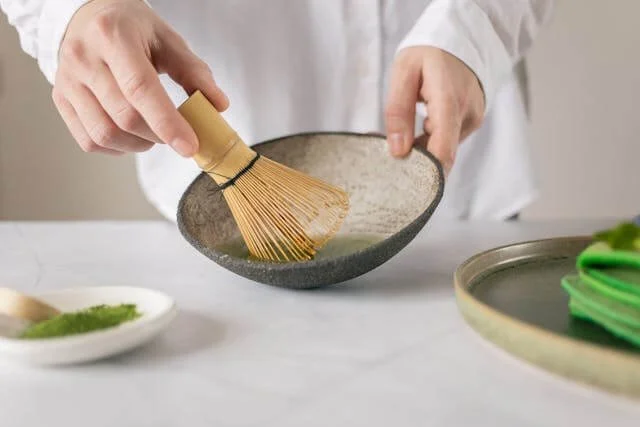
Making matcha looks ceremonial, but the everyday version is simple. Once you know the basics, it takes about two minutes. No fancy setup required. Just a few small steps that make a surprisingly big difference in how the drink turns out.
Start with quality powder and avoid boiling water. Those two things alone will save you from a bitter, clumpy cup.
Basic preparation steps
Sift 1–2 teaspoons of matcha powder into a bowl or cup to prevent clumps. This step feels skippable, but trust us, it's not. Matcha powder loves to clump, and no amount of whisking will fully fix that once it happens.
Add a small amount of hot water, about 70–80°C (160–175°F). Boiling water is matcha's worst enemy. It pulls out bitterness and kills the smooth, naturally sweet flavor you're going for.
Whisk quickly in a zigzag or "W" motion until the tea becomes lightly frothy. About 15–30 seconds should do it. You're looking for a bright green surface with a thin layer of creamy foam on top.
Once the base looks smooth and frothy, the drink is ready. You can enjoy it straight for the full flavor experience, or mix things up depending on your mood.
Common ways people enjoy matcha
Matcha latte with dairy milk or oat milk for a creamy, café-style drink
Iced matcha shaken with cold milk and ice for warmer days
Blended into smoothies with banana, honey, or almond milk for a quick breakfast boost
Stirred into overnight oats or yogurt bowls for an antioxidant-rich twist
Matcha grades: which one should you use?
You'll usually see two matcha types on the shelf, and each one has its place:
Ceremonial grade: smoother, naturally sweeter flavor with a vibrant green color. Best for drinking straight with water, where the taste of the matcha really takes center stage.
Culinary grade: bolder, slightly more bitter flavor that holds up well when mixed with other ingredients. This one works great in lattes, smoothies, baked goods, and recipes where matcha shares the spotlight.
For most people, the daily sweet spot sits around 1–2 cups per day. Enough to enjoy the benefits without overdoing the caffeine.
Possible Side Effects
Matcha is generally safe for most people, but like anything worth consuming, moderation still matters. Knowing the few things to watch for helps you enjoy matcha without any unwanted surprises.
1. Caffeine sensitivity
Matcha contains caffeine, usually about 60–70 mg per cup. That's less than a standard cup of coffee, but it's still enough to notice, especially if you're someone who's sensitive to stimulants. Drinking several cups in a short window can lead to jitteriness, restlessness, or trouble sleeping later in the day.
The good news is that matcha also contains L-theanine, which tends to smooth out the caffeine experience. But if you're new to matcha, starting with one cup a day and seeing how your body responds is a smart move. It's also worth keeping your last cup well before bedtime so it doesn't interfere with your sleep.
2. Iron absorption
Tea contains tannins, which are natural compounds that can slightly reduce the body's ability to absorb non-heme iron (the type found in plant-based foods like spinach, beans, and lentils). This doesn't mean matcha is bad for you, but it's something to be aware of if you rely heavily on plant-based iron sources or if you're managing an iron deficiency.
A simple workaround is to enjoy your matcha between meals rather than during them. Giving it a 30–60 minute gap from iron-rich foods helps your body absorb nutrients without any interference.
3. Tea quality and contaminants
Not all matcha are the same. Lower-quality powders sometimes contain contaminants like heavy metals or pesticide residues, depending on where and how the tea was grown and processed. Since you're consuming the entire leaf with matcha (not just steeping and discarding it), the quality of the powder matters even more than it does with regular tea.
Choosing organic matcha helps reduce pesticide exposure and often improves flavor as well. Many people prefer organic matcha for both safety and taste, and it's one of the easiest ways to make sure your daily cup is as clean as possible. Looking for brands that are transparent about their sourcing, particularly those from reputable Japanese growing regions, adds another layer of confidence.
Frequently Asked Questions
What are the health benefits of drinking matcha tea?
The health benefits of drinking matcha tea include antioxidant protection, steady energy from L-theanine focus, metabolic support, and compounds linked to heart and gut health.
Is matcha healthier than green tea?
In the matcha vs green tea comparison, matcha often contains more antioxidants because you consume the whole leaf instead of steeping and discarding it.
How much matcha should you drink daily?
Most people benefit from one to two cups per day, which provides antioxidants and moderate matcha caffeine content without overdoing caffeine.
Does matcha help with weight loss?
Matcha for weight loss may support metabolism due to catechins and caffeine, but meaningful results usually depend on diet and physical activity.
What makes matcha different from regular green tea?
Matcha is finely ground Japanese green tea powder, meaning you drink the entire leaf rather than extracting compounds through steeping.
Why Matcha Keeps Showing Up in Healthy Routines
Matcha works quietly but effectively. One cup brings matcha antioxidants, L-theanine focus, and steady caffeine energy in a single drink. That mix helps explain why matcha appears in conversations about metabolism, brain focus, and long-term wellness.
Researchers continue studying how catechins in matcha support cardiovascular health, gut microbiome balance, and inflammation control. It's a simple little ritual, really. A small cup, but with a seriously impressive nutritional profile.
Experience the Health Benefits of Drinking Matcha Tea at Tea Zaanti
Ever wondered what real matcha's actually supposed to taste like?
At Tea Zaanti, we've got top-notch matcha on tap, alongside loads of loose-leaf teas all carefully prepared by people who actually know their stuff when it comes to tea.
Whether you're in the mood for a silky matcha latte or a traditional bowl of whisked matcha, the café offers a relaxed space to experience the health benefits of drinking matcha tea firsthand.
Visit us to try freshly prepared matcha in person.