
The first time someone tries matcha, it usually goes one of two ways. Either they get that creamy green cup that feels calm and focused at the same time… or they take one sip and think they just drank lawn clippings.
Now, that usually happens when someone grabs the cheapest tin on the shelf. Harsh flavor, dull color, no balance. It’s not the tea’s fault. It’s the matcha. The truth is, the best matcha tea for beginners is supposed to be smooth and slightly sweet. No sharp bite sitting on the back of your tongue.
And that only comes from leaves that are grown for flavor first, then milled slowly into a stone-ground matcha powder instead of being rushed through cheap processing. Good beginner matcha is usually ceremonial-grade and sourced from Japan. The kind made for people who want clean energy and flavor that doesn’t fight back.
The right bowl surprises people. Suddenly, the drink feels calm, balanced, almost creamy. That’s the smooth umami matcha experience everyone talks about. Next, we’ll break down which matcha powders actually deliver that first good cup, plus a quick comparison table so you don’t waste money guessing.
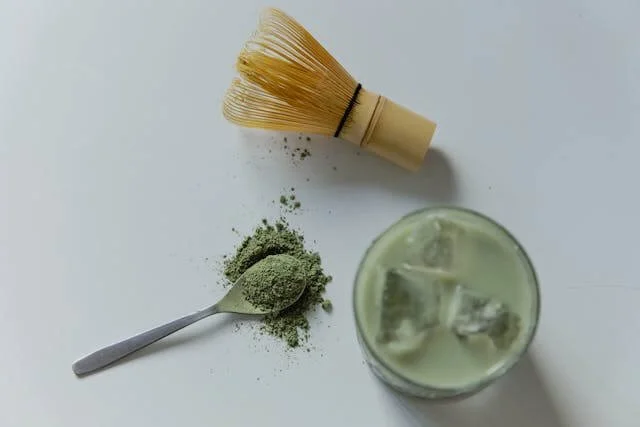
What Makes Matcha Great for Beginners
Most people think matcha is one flavor. Bitter green powder. That assumption usually comes from drinking the wrong grade.
Matcha comes in two main styles. Ceremonial and latte-grade. Ceremonial is made for drinking straight with water. Latte-grade leans softer and works well with milk, which is why many people start there as a matcha latte starter.
Both can work for beginners. The difference comes down to flavor balance and quality.
1. Umami sweetness
Good beginner matcha leans naturally sweet. Not sugary sweet, more like a soft savory depth that coats the mouth. That flavor usually signals a smooth umami matcha made from young leaves grown under shade.
High-quality organic Japanese matcha from brands sourcing in Uji or Yame tends to show this balance clearly. The taste feels round instead of sharp.
2. Low bitterness
Beginners should look for matcha described as mellow or balanced. A true low-bitterness matcha should taste clean with only a light edge at the end.
Brands sourcing from Kagoshima often produce these smoother profiles because the soil and climate support softer leaf chemistry. Harsh bitterness usually means lower-grade powder or older leaves.
3. Bright green color
Color tells the story before the first sip. High-quality matcha glows bright jade or electric green. That color comes from shading the plants before harvest, which increases chlorophyll and amino acids.
Dull olive or brownish powder usually signals aging or poor processing. Fresh matcha from regions like Uji, Yame, and Kagoshima matcha farms almost always shows vibrant color.
4. Fresh grassy aroma
Open a good tin, and the smell should feel alive. Lightly sweet, fresh, almost like cut hay after rain.
Flat or dusty aromas usually mean the powder has oxidized. The best beginner powders come from first harvest matcha, where young leaves hold the highest nutrients and flavor complexity.
One more reality beginners should know. Not all matcha comes from Japan.
Some non-Japanese matcha can taste decent, but consistency becomes unpredictable. Flavor swings from smooth to aggressively grassy depending on the batch.
That’s why most experienced drinkers start with the Japanese regions first. The farming standards are tighter, the milling is slower, and the results are far easier to enjoy on the first bowl.
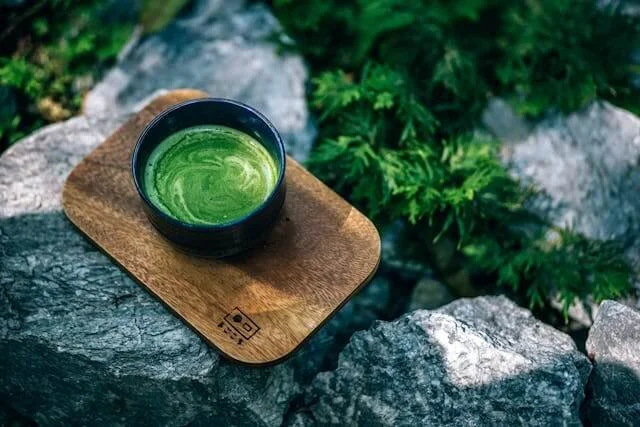
Top Matcha Recommendations
Buying matcha for the first time feels weirdly risky. Everything looks green. Everything claims “ceremonial.” Prices bounce around, and you’re left guessing which tin actually tastes good.
A few brands consistently land in the safe zone for beginners. Smooth flavor, balanced bitterness, and quality leaves sourced from Japan.
These picks lean toward the best matcha powder 2026 lists and long-time drinker reviews. Nothing extreme. Just matcha that works.
1. Encha Organic Matcha
Encha is often the first brand people enjoy after a bad matcha experience. The flavor leans mellow and lightly nutty with a gentle sweetness that makes it easy to drink daily. The leaves are grown in Uji and harvested young, which keeps bitterness low and the color bright.
This one works especially well for people switching from coffee. The taste stays smooth even when mixed with milk.
Price usually lands around $20–$30 for a 30g tin.
Pros
Smooth and beginner-friendly
Certified organic Japanese sourcing
Works well in lattes or hot matcha
Cons
Slightly lighter flavor than premium ceremonial matcha
Tin size runs small for daily drinkers
2. Naoki Superior / First Spring Ceremonial Blend
Naoki Matcha built its reputation around approachable ceremonial blends. Their Superior and First Spring tins hit a nice middle ground, rich enough for straight tea but forgiving if you add milk.
The flavor is balanced with gentle umami and mild vegetal notes. Reviews consistently describe it as versatile and beginner-friendly, working equally well as hot matcha or a latte.
A 30–40g tin usually costs around $24–$30.
Pros
Balanced flavor with low bitterness
Versatile for tea, lattes, and smoothies
Often sold with a beginner matcha kit bundle
Cons
Slightly less complex than high-end ceremonial matcha
Flavor depends heavily on water temperature
3. Jade Leaf Organic Ceremonial
Jade Leaf sits in that comfortable entry zone where quality meets accessibility. The flavor leans traditional—fresh grassy notes, mild sweetness, and a bright green color that signals good leaf quality.
It’s made from Japanese matcha and designed to work for both straight tea and latte drinks. Many beginners start here simply because it’s easy to find and consistent.
Price usually falls between $20 and $30 for a 30g tin.
Pros
Reliable everyday ceremonial matcha
Bright green powder with good freshness
Widely available online and in stores
Cons
Slight grassy edge compared with smoother blends
Flavor less creamy than higher-end options
4. Rocky’s Matcha Ceremonial Blend
Rocky’s Matcha leans a little more traditional. The aroma hits first, rich and fresh with that deep green scent you expect from carefully shaded tea leaves.
The taste comes across fuller than most beginner brands. Slightly creamy, lightly vegetal, with a clean finish that makes it great for straight drinking.
Most tins land around $30–$40, depending on harvest.
Pros
Strong aroma from high-quality leaves
Excellent for hot matcha preparation
Often sourced from small Japanese farms
Cons
Slightly pricier than entry brands
Flavor may feel intense for absolute beginners
5. Hikari Single Origin (Matchaful)
Hikari from Matchaful is where things get interesting. Instead of blending leaves from multiple farms, this matcha comes from a single origin harvest.
The taste leans buttery with subtle walnut and lemon notes. Creamy texture, smooth finish, and surprisingly good with milk drinks.
Price runs closer to $35–$40 for a 30g tin, usually purchased directly through Matchaful.
Pros
Creamy texture with unique flavor notes
Excellent for lattes or iced matcha
High-quality single-origin production
Cons
More expensive than beginner blends
Slight citrus note may surprise traditionalists
The good news? You don’t need a perfect brand to enjoy matcha. You just need one that tastes smooth enough to make the second cup happen.
Comparison Table
When you line these matcha powders side-by-side, the differences show up quickly. Flavor balance, sourcing, and price all shift the experience. Beginners usually enjoy smoother ceremonial blends that stay mellow whether you drink them straight or with milk.
| Brand | Flavor Profile | Best For | Price (30g) | Organic/Japan-Sourced |
|---|---|---|---|---|
| Encha Organic Matcha | Smooth, lightly sweet, earthy finish | Latte + beginner daily drink | $23–30 | Organic |
| Naoki Superior Ceremonial | Balanced umami, mild vegetal notes | Straight tea or latte | $22–$25 | Japan-sourced |
| Jade Leaf Organic Ceremonial | Classic, grassy flavor, vibrant green | Latte or iced matcha | $20–$28 | Organic |
| Rocky's Matcha Ceremonial | Rich aroma, creamy vegetal finish | Straight sipping | $30–$40 | Japan-sourced |
| Matchaful Hikari Single Origin | Buttery, nutty, citrus hints | Milk drinks or iced matcha | $35–$40 | Japan-sourced |
Note: Prices vary slightly by retailer and harvest season, but most beginner ceremonial matcha sits in the $20–$40 range for a 30g tin.
How to Choose Your First Matcha
Buying matcha shouldn’t feel like a gamble, but it does. One tin could taste clean and sweet while another tastes like crushed weeds and regret. So, there are a few things you definitely need to check if you want to nail that right.
1. Check the color first
A good powder looks bright green, almost neon. That’s chlorophyll from shade-grown leaves, plus higher amino acids that soften the edge. If it leans more towards olive or brownish, you’re likely looking at older leaf material or a product that’s been sitting around too long.
2. Smell it
Fresh matcha smells soft and slightly creamy, not sharp. You’ll catch a sweet hay note, maybe a hint of sea air. If it smells dusty, flat, or aggressively “green,” the powder probably oxidized or started out low grade.
3. Feel the Texture
Real matcha should feel ultra-fine. No grit. That fineness usually comes from stone-ground matcha processing, where the leaf is milled slowly to keep heat low and flavor intact.
4. Be Keen on the Price
Good leaves cost money because they’re grown differently, shaded, and sorted. Slow milling costs money, too. If the price is suspiciously low, bitterness usually shows up fast.
5. Start with Ceremonial Grade
Ceremonial matcha carries more sweetness and balance, so your first few bowls teach your palate instead of punishing it. Latte-grade can still work, but milk shouldn’t be the thing rescuing the flavor.
6. Pay Attention to Harvest Timing
Spring harvest leaves have more amino acids, which is where the soft taste comes from. They also tend to produce a brighter cup because the leaf hasn’t toughened up yet.
That’s why first harvest matcha shows up in beginner-friendly recommendations so often.
7. Certifications Help, But Transparency Helps More
USDA organic can be useful, especially if the brand is clear about farming and testing. “Pesticide-free” claims are only meaningful when the seller backs them with real sourcing details. If a brand won’t say where it’s grown, it’s usually for a reason.
8. Choose Based on How you’ll Drink it
If you want straight matcha, buy it for sweetness and balance. If you want lattes, buy a clean base that doesn’t turn bitter under milk. A solid ceremonial tin lets you test both without buying two products.
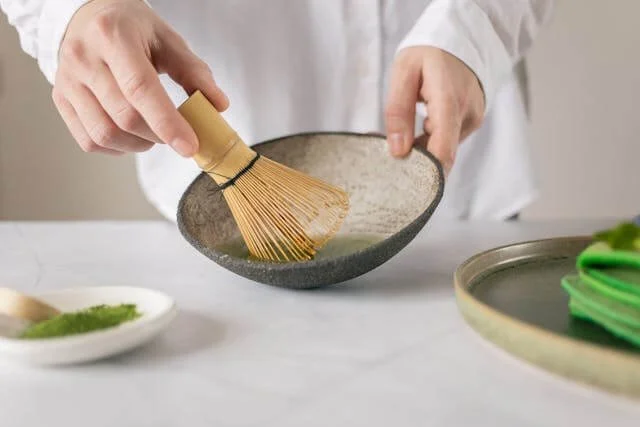
Beginner Matcha Recipes
Matcha feels technical until you do it once. After that, it’s just a habit. Start small so you can learn the taste.
Basic Usucha (thin tea)
Ingredients/tools
½ tsp matcha
70 ml water at about 80°C
bowl + whisk or frother
Steps
1. Sift into the bowl so the powder behaves.
2. Add a splash of warm water and whisk fast in a zig-zag until you get light foam.
3. Top with the remaining water.
This usucha recipe shows you the real flavor without milk hiding anything.
Iced Matcha Latte
Ingredients/tools
½ tsp matcha
2 oz warm water
6 oz milk
ice + glass
Steps
1. Whisk matcha with warm water until it’s fully smooth.
2. Add ice and milk to your glass, then pour the matcha in.
3. Stir once or twice.
It’s a clean test of how matcha feels in your body when you’re comparing matcha vs coffee jitters.
Beginner Matcha Smoothie
Ingredients/tools
½ tsp matcha
1 banana
1 cup milk or almond milk
½ tsp honey
Steps
1. Add everything to a blender
2. Blend until smooth.
Banana makes the texture thicker and the flavor softer. Keep servings modest at first so caffeine doesn’t sneak up on you.
Common Beginner Mistakes
Most matcha mistakes aren't about the recipe. They're about the small habits that seem too minor to matter but quietly ruin the whole cup. Here are the ones beginners run into most often and how to fix them fast.
1. Boiling the water
Boiling water pulls harshness and bitterness out of the powder, drowning out the natural sweetness matcha is supposed to have. Use warm water around 80°C (175°F) and the flavor stays rounded and smooth. If you don't have a thermometer, just let the kettle sit for a couple of minutes after boiling before pouring.
2. Skipping the sift
Clumps happen even with good powder. Matcha is incredibly fine and sticks to itself the moment it's exposed to moisture or pressure. Sift it once through a fine mesh strainer before adding water and whisking becomes easy instead of a frustrating battle with stubborn lumps.
3. Over-scooping
It's tempting to add more matcha thinking it'll make a better cup, but more powder can quickly turn a smooth tin into a bitter, overwhelming drink. Start with half a teaspoon, then adjust after a few bowls once you know how your palate handles it. You can always add more, but you can't take it back.
4. Trying to “stir” it smooth
Matcha doesn't dissolve like cocoa or instant coffee. It needs to be suspended in the water, and that only happens through proper whisking. A quick back-and-forth zigzag motion with a bamboo whisk (chasen) creates the right suspension and a light, creamy foam on top. A handheld milk frother works in a pinch, but stirring with a spoon will almost always leave you with a gritty, uneven cup.
5. Letting matcha sit open too long
Matcha oxidizes fast once exposed to air, and when it does, the color fades, the flavor flattens, and the health benefits start to diminish. Seal the tin tightly after every use, store it in a cool, dark place, and try not to buy more than you can finish in a few weeks. Some people keep opened tins in the fridge for extra freshness, which can help if you don't go through matcha quickly.
Health Benefits and Tips
Matcha hits differently because caffeine and L-theanine show up together. Caffeine gives alertness. L-theanine smooths the edges and supports steady focus.
That’s why people often feel more stable energy compared to coffee.
You’re also consuming the whole leaf, so antioxidant intake is higher than in steeped tea. Most beginners do best with 1 cup a day at first.
Once that feels normal, 2 cups is usually fine. Just don’t stack it late in the day and then blame matcha for your sleep.
Frequently Asked Questions
What actually makes the best matcha tea for beginners?
Start with smooth flavor, not prestige. The best matcha tea for beginners is usually a ceremonial-grade powder sourced from Japan that tastes mellow and naturally sweet instead of sharp or aggressively grassy.
Do beginners need ceremonial matcha right away?
If you want to taste what matcha is actually supposed to taste like, yes. Ceremonial grade brings out the natural sweetness and balance that cheaper powders hide behind bitterness, giving you a much better first impression of the drink.
Why did my first matcha taste bitter?
Usually one of three things: boiling water, low-grade powder, or too much matcha in the bowl. Fixing any one of those changes the drink quickly, and fixing all three makes it a completely different experience.
Is matcha stronger than coffee?
Not in raw caffeine, since a cup of matcha usually has about 60–70 mg compared to coffee's 90–150 mg. But the energy feels steadier and longer-lasting because the caffeine pairs with L-theanine, which smooths out the lift instead of letting it spike and crash.
How much matcha should a beginner drink per day?
One cup is plenty at the start while your body gets used to it. Most people move comfortably to two cups a day once they know how the caffeine and energy feel for them personally.
The Matcha Moment Most Beginners Miss
Something interesting happens after the third or fourth bowl of matcha.
The bitterness everyone complains about? It fades. Your palate starts noticing the quieter things instead, the soft sweetness, the depth, that savory edge people call umami.
That’s why choosing the right beginner matcha matters. Bright green powder, spring harvest leaves, careful milling, all those small details shape the experience.
Once you find a tin that tastes smooth, the whole routine clicks. Whisk, sip, repeat. Not complicated. Just satisfying.
And suddenly, matcha stops feeling like a health trend and starts behaving like what it really is, a daily tea worth coming back to.
Curious About the Best Matcha Tea for Beginners?
A good first matcha shouldn’t feel like guesswork. It should taste smooth, vibrant, and balanced from the very first bowl.
That’s exactly what places like Tea Zaanti focus on: thoughtfully sourced teas, approachable matcha options, and a space where beginners can explore without feeling overwhelmed.
Have questions about matcha or want help choosing a blend?
Or better yet, visit us and try matcha the way it was meant to be experienced, fresh, whisked, and surprisingly smooth.