
Most people hear “unique tea blends” and picture flavored black tea with a cute name. That’s not what’s happening here. We’re talking fermented pu’erh layered with chocolate, rose over an earthy base, matcha blended like a café drink, and white tea that tastes like spiced fruit and almonds.
Tea Zaanti carries a wide range of loose-leaf teas, but this guide zooms in on the tea flavors and blends that actually feel different on our menu. You’ll see what makes each one stand out, what it tastes like, how strong the caffeine feels, and the smartest way to order it: hot, iced, or as a latte, so you don’t waste a cup figuring it out.
Tea Zaanti’s Most “Unique” Tea Blends to Try First
You know that moment when you want something interesting, but you don’t really want to take a risk? That’s where these come in. They’re bold without being weird, creative without losing the tea underneath.
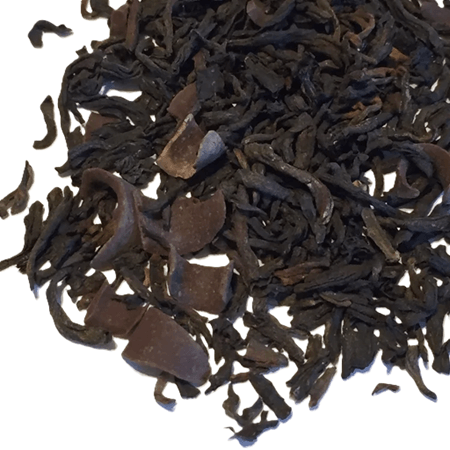
1. Chocolate Pu’erh
(Dessert-like, deep and earthy)
Chocolate on black tea is common. Chocolate on pu’erh is different.
Tea Zaanti positions this one as rich and creamy with dark chocolate, and the fermented base is what makes it work. Pu’erh has depth, earthy, slightly woody, and almost mellow in a way that feels aged.
That foundation is what makes Chocolate Pu’erh unique compared with standard chocolate black teas. Order it as a tea latte. The milk rounds it out and turns it into a cocoa-adjacent drink that feels indulgent without being a sugary chaos.
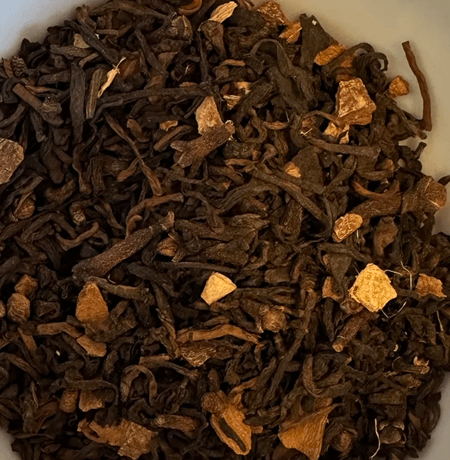
2. Pumpkin Spice Pu’erh
(Seasonal twist on fermented tea)
Pumpkin spice on a fermented base sounds like a gamble, but it isn’t.
Tea Zaanti describes this one as spicy yet sweet, and the pu’erh underneath keeps it grounded. The fermentation adds that slow, aged character that makes the spices feel warm instead of sharp.
Best time to drink it? Fall or winter, ideally after a heavy meal. Pu’erh traditionally carries that digestive-after-dinner vibe. You’ll love that Pumpkin Spice Pu’erh feels seasonal, but at the same time, doesn’t come with too much syrup.
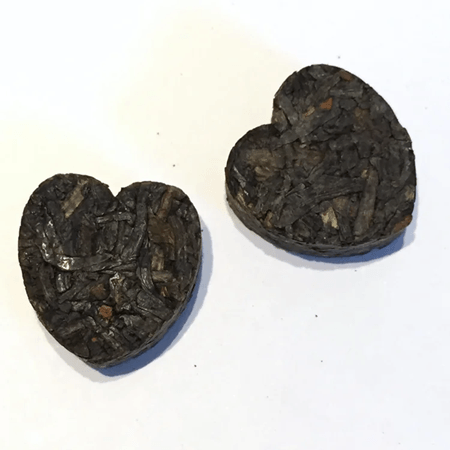
3. Dark Rose Pu’erh
(Floral aroma on a bold base)
Rose tea usually leans black and perfumed. This one doesn’t.
Here, the romantic rose aroma sits over a medium-bodied pu’erh, and the contrast is the whole point. You get floral notes, but they don’t float off into soap territory because the base keeps pulling you back to earth.
Drink the Dark Rose Pu’erh plain first. Let the rose settle into the earthiness before you even think about adding a sweetener.
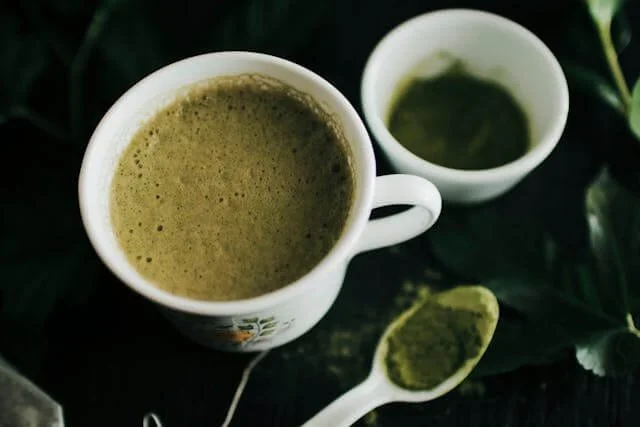
4. Nutty Matcha
(Genmaicha-inspired matcha blend)
Most matcha menus give you ceremonial or culinary, and call it a day. This goes somewhere else.
Tea Zaanti describes this as powdered Genmaicha with vanilla syrup added, which makes it rare compared to straight matcha. It’s nutty, slightly toasty, and already flavored in the lineup.
Order it as a latte, hot or iced. It lands in that dessert-like comfort zone, but it still carries the clean caffeine lift matcha is known for.
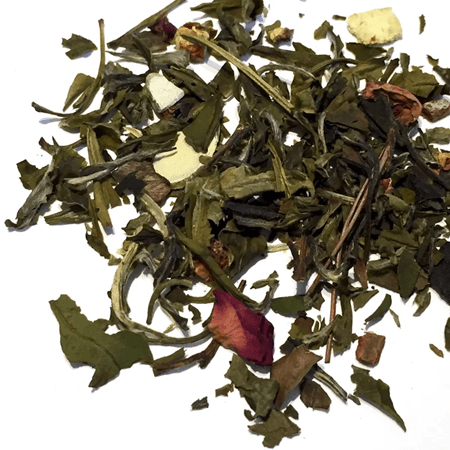
5. White Ambrosia
(white tea with layered spice/fruit/nut character)
White tea usually has very soft blends, but with this White Ambrosia, you can taste every flavor clearly.
It’s a white base, naturally flavored with apple, cinnamon, orange, and almonds, so yes, note the nut content. The result feels like something you’d only stumble across in a serious tea shop.
This is for people who want a gentle tea that still tastes like something real, not just warm water with a memory.
What Makes a Blend “Unique” at Tea Zaanti
These teas aren’t built like supermarket sachets where flavor powders do the heavy lifting. Here, the base tea is what leads the experience.
At Tea Zaanti, we organize our menu across pu’erh, black, oolong, green, matcha, white, rooibos, and herbal. The same spice mix tastes completely different depending on what it’s sitting on. That’s the shift most people miss.
Pu’erh, for example, carries a fermented, aged identity that can run earthy, wood-like, even mellow and smooth. When you layer chocolate or seasonal spice on that, the result feels deeper than if you’d built it on standard black tea.
Then there are the playful black tea blends we often recommend: Ginger Peach, Masala Chai, Turmeric Chai, and Piña Colada. They’re aroma-forward and approachable, often great iced, but they still let the tea show up instead of drowning it.
That balance is the difference between a novelty drink and something you’d order again.
Unique Blends by Tea Type (pick your mood)
Sometimes the flavor you want is more about the mood rather than the ingredients. Heavy or light. Cozy or bright. Clean or indulgent.
Start with the base, then let the blend do its thing.
1. Pu’erh blends: earthy + dessert / spice / floral
Flavor profile: Deep, grounded, slightly aged with a smooth finish.
Uniqueness: Fermentation adds weight and complexity that most flavored teas don’t have.
Best for: People who want substance in the cup, not just aroma.
This is where Chocolate Pu’erh, Pumpkin Spice Pu’erh, and Dark Rose Pu’erh live.
Chocolate Pu’erh leans rich and cocoa-adjacent, especially as a latte. The earthy base makes the chocolate feel layered instead of sweet on top.
Pumpkin Spice Pu’erh runs warm and seasonal. The spices settle into the fermented depth, which makes it feel calm and slow rather than sugary.
Dark Rose Pu’erh balances floral aroma with a medium-bodied backbone. It’s for someone who wants rose without drifting into perfume territory.
2. Matcha Blends: creamy + café-style comfort
Flavor profile: Smooth, vibrant, lightly grassy with built-in sweetness depending on the blend.
Uniqueness: Powdered base means full-body flavor and steady caffeine lift.
Best for: Latte drinkers who want energy without the coffee edge.
Nutty Matcha stands out here.
It’s genmaicha-inspired, slightly toasty, and already flavored with vanilla syrup in their lineup. That makes it less strict than ceremonial matcha and more café-friendly.
Hot or iced, it drinks like dessert but still feels intentional.
3. White Tea Blends: gentle + layered
Flavor profile: light, soft, naturally sweet with subtle complexity.
Uniqueness: delicate base carrying real fruit, spice, and nut notes without overpowering them.
Best for: anyone who wants flavor without heaviness.
White Ambrosia fits here perfectly.
Apple, cinnamon, orange, and almonds sit on a white tea base that stays calm and refined. It’s nuanced but not shy. Just remember the nut content if that matters to you.
This is the move when you want something expressive without caffeine intensity.
If you choose by mood instead of by habit, the whole menu opens up. And once you feel how the base shifts the flavor, you stop ordering safe.
How to Pick the Right Tea Zaanti Blend
Choosing tea shouldn’t feel like filling out paperwork. It’s just matching your mood to the right base. That’s it.
Want coffee-level depth without actually drinking coffee? Go pu’erh. Then decide the vibe. Chocolate if you want rich, spice if you want warm, floral if you want some contrast.
Want sweet café energy that still feels intentional? Grab a flavored matcha: Vanilla, Nutty, or Blueberry, and make it a latte to give it a creamy, smooth finish. This wakes you up without an extreme punch.
Want light and fragrant but not boring? Try white Peach or White Ambrosia. Soft, layered, quietly interesting. Just remember there’s an almond in the Ambrosia.
Skipping caffeine but still craving something that feels like dessert? You might like Rooibos, Apple Pie, or Coconut Chai. Cozy, no buzz attached.
In a botanical mood? Chamomile, Lavender, or Raspberry Rose Petal. It has a nice aroma and an even better flavor.
Not sure about sweetness? Order it unsweetened. Taste it, then decide if you need a sweetener after. Your tongue always knows.
Always default to black tea? Try the same flavor but on a different base and notice how everything shifts. It’s subtle. Until it’s not.
Frequently Asked Questions
What makes these unique tea blends different from regular flavored tea?
The base tea changes the entire flavor structure, so chocolate or spice on pu’erh tastes deeper than the same blend on black tea.
Are pu’erh blends high in caffeine?
They carry moderate caffeine, often smoother in feel than coffee, but still energizing.
Which blend is best for someone new to adventurous teas?
Chocolate Pu’erh or Nutty Matcha are easy entry points because they feel familiar while still offering complexity.
Are there caffeine-free, unique options?
Yes, rooibos and herbal blends deliver dessert-like or botanical flavors without caffeine.
Can I order these blends iced?
Many fruit and spice-forward blends hold up well iced, especially black tea and matcha-based options.
When Flavor Has a Backbone
You’ve seen how base tea changes everything. Chocolate becomes layered. Rose becomes grounded. Spice feels warm instead of loud. These aren’t random flavor experiments. They’re built on structure, which is why they taste intentional instead of trendy. Once you start noticing the base, you’ll never order blindly again.
Ready to Experience Unique Tea Blends in Tea Zaanti?
If you’re curious, the only way to really understand these unique blends is by tasting them where they’re meant to be served. Visit Tea Zaanti and explore the menu with intention.
If you have questions about flavor profiles or caffeine levels, contact us at (801) 613-1147. If you’re nearby, visit us and try one of these blends the way it’s meant to be enjoyed.